Indo-Chinese Tiger
Everything You Need to Know About Indo-Chinese Tigers
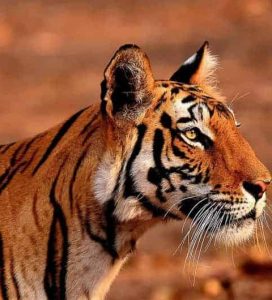
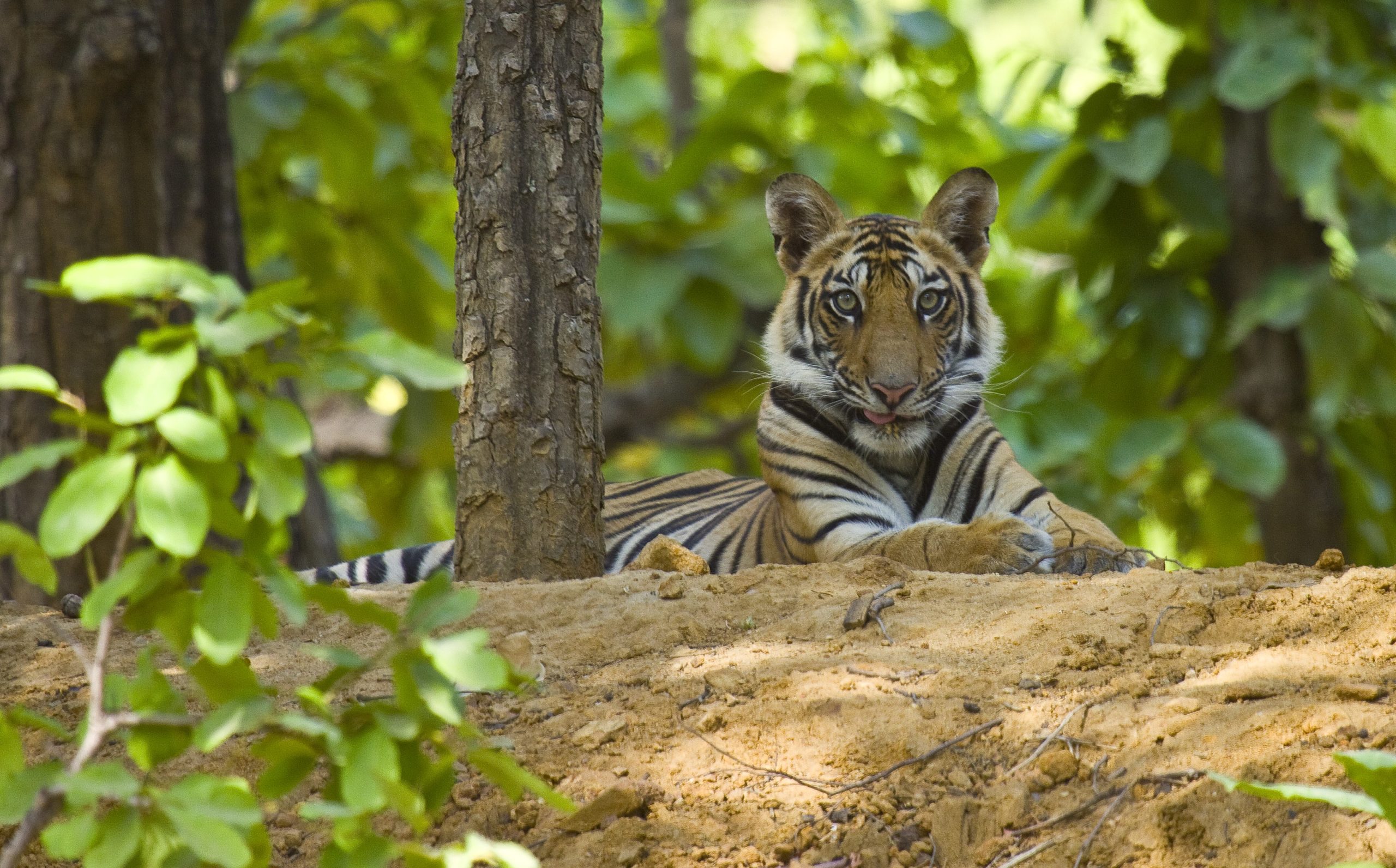
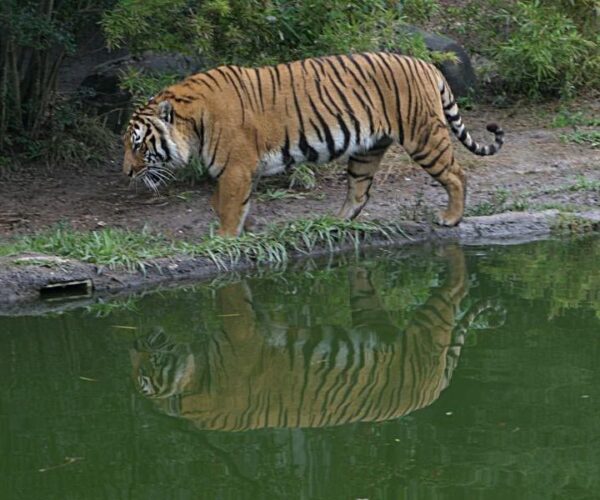
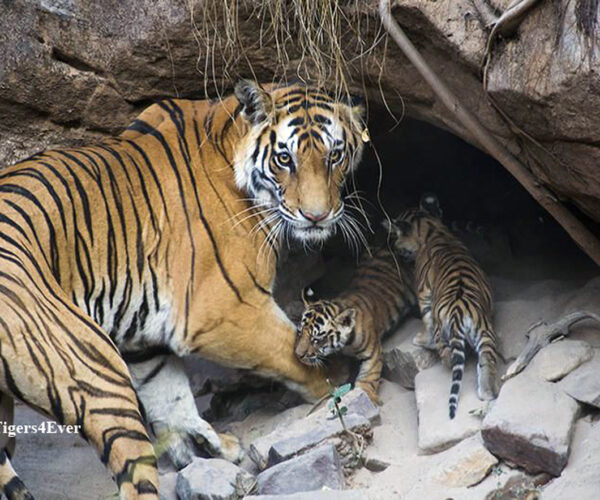
The Indo-Chinese tiger is also called Corbett’s tiger after the former tiger hunter turned naturalist Jim Corbett. Access to the areas where Indo-Chinese tigers live in the wild has long been restricted, and as a consequence accurate studies of these tigers and their numbers, by field biologists, have been limited. Therefore there is a very limited knowledge of the status of these tigers in the wild. It has been reported that, in Vietnam, almost 75% of the tigers killed provide stock for traditional Chinese medicines. The greatest density of Indo-Chinese tigers is found in Thailand where around 100 individuals survive, other wild populations are restricted to 30 or fewer tigers in each group.
The greatest density of Indo-Chinese tigers is found in Thailand. There is a very limited knowledge of the status of these tigers in the wild.
Tiger Stats
Everything You Need to Know About Indo-Chinese Tigers
| Category | Details |
| Scientific Name | Panthera tigris corbetti |
| Habitat | Remote forests in hilly and mountainous terrain; major corridors exist along Himalayan mountain borders. |
| Location | Dispersed through Thailand, China, Cambodia, Lao PDR, Myanmar, Vietnam, and Bhutan. |
| IUCN Listing | Endangered |
| Population | 1,200–1,800 total estimated; only approximately 300 remain in the wild. |
| Size | Smaller/darker than Bengal tigers; 110–190kg (males are ~50% heavier than females). |
| Major Threats | Poaching, prey depletion (deer/boar), habitat fragmentation, and in-breeding. |
Tiger Facts
Everything You Need to Know About Tigers
Royal Bengal Tiger
Royal Bengal tigers are the most numerous sub-species in the wild with the highest density in India (around 2967 individuals at July 2019).
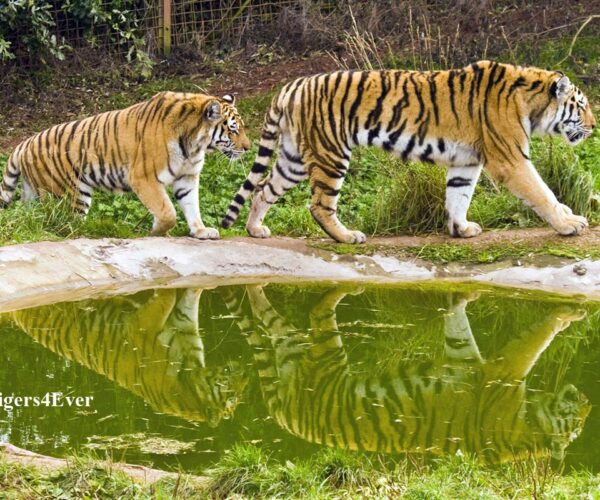
Amur Tiger
Rigorous anti-poaching methods in combination with other conservation efforts in Russia have brought the Amur tiger back from the brink of extinction.
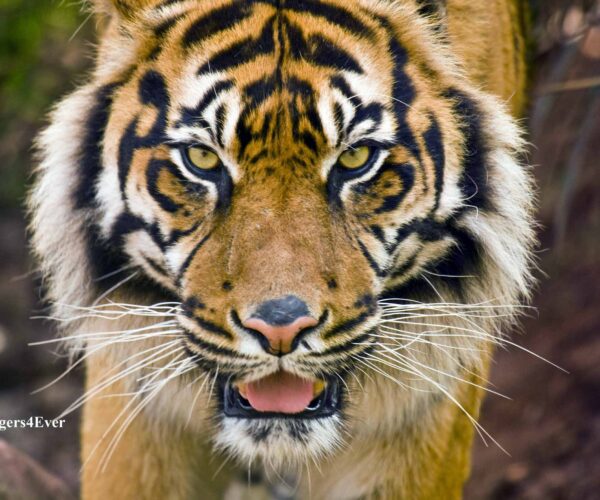
Sumatran Tiger
Smaller and darker than the Royal Bengal tiger, Sumatran Tigers can weigh between 75-150kg, with the males weighing around 30% more than the females
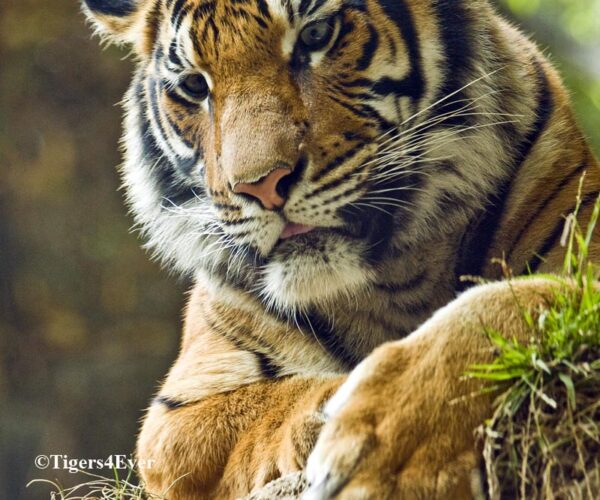
Malayan Tiger
There is little known about the biology of Malayan tigers. They were only identified as a separate sub-species from the Indo-Chinese tiger sub-species in 2004.
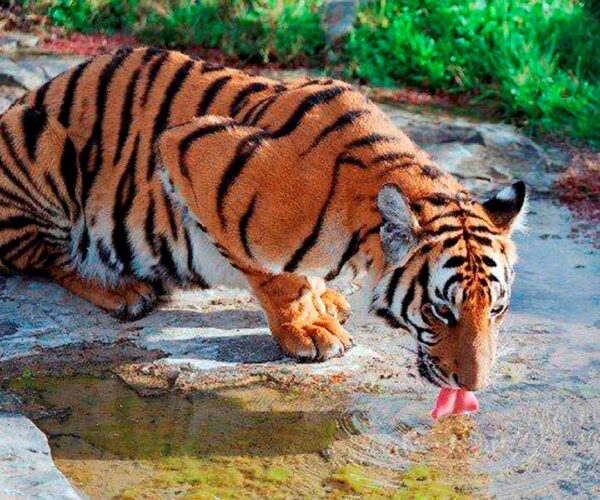
South China Tiger
It is believed to be functionally extinct in the wild, and if non-captive populations still exist they are most likely to be found in the provincial borders in Southeast China.

An interactive story inspired by real efforts to protect India’s wild tigers.
Big changes are caused by small help.
Your donation, no matter the size, can make a real difference, helping to save lives, protect cubs and preserve a world where tigers still roam free. Please give today and be a part of the fight to keep wild tigers wild.
Let you know what’s happening
How To Educate 105 Villages on Forest Safety
Working with and supporting the local communities who live alongside...

Help Give Wild Tigers a Wild Future
Volunteers do not necessarily have the time. They just have the heart. The best way to find yourself is to lose yourself in the service of others.