After 15 years of reducing rainfall during the monsoon season,...


Wild tiger numbers in Bandhavgarh have increased dramatically over the last 10 years. To sustain this growth, adequate habitat to support a prey base for a growing tiger population and provide territory for tiger dispersal is urgently needed. We have been given approval to restore 250 acres of vital tiger habitat which has been destroyed by fire, illegal logging and encroachment activities in Bandhavgarh. The two sites will link areas of forest together to form corridors for wildlife to disperse and form new territories, planting 100,000 trees and acres of elephant-friendly grasses. The initial phase of the project is underway, and we’ll work with the Forest Department and village Eco-Development Committees – empowering, educating & inspiring them to become guardians of their forests and wildlife.
India is home to approximately 75% of the world’s wild tiger population, making it a global stronghold for tiger conservation. The survival of these majestic apex predators is intricately linked to the health of their habitats, which are primarily intact forests and the connectivity between these forests via tiger corridors. These habitats not only support tigers but also provide vital ecosystems which benefit millions of other animals and people.
Intact forest habitats are essential for sustaining viable tiger populations because tigers need space not only to exist but to ensure sufficient prey exists to support a growing population. These forests:
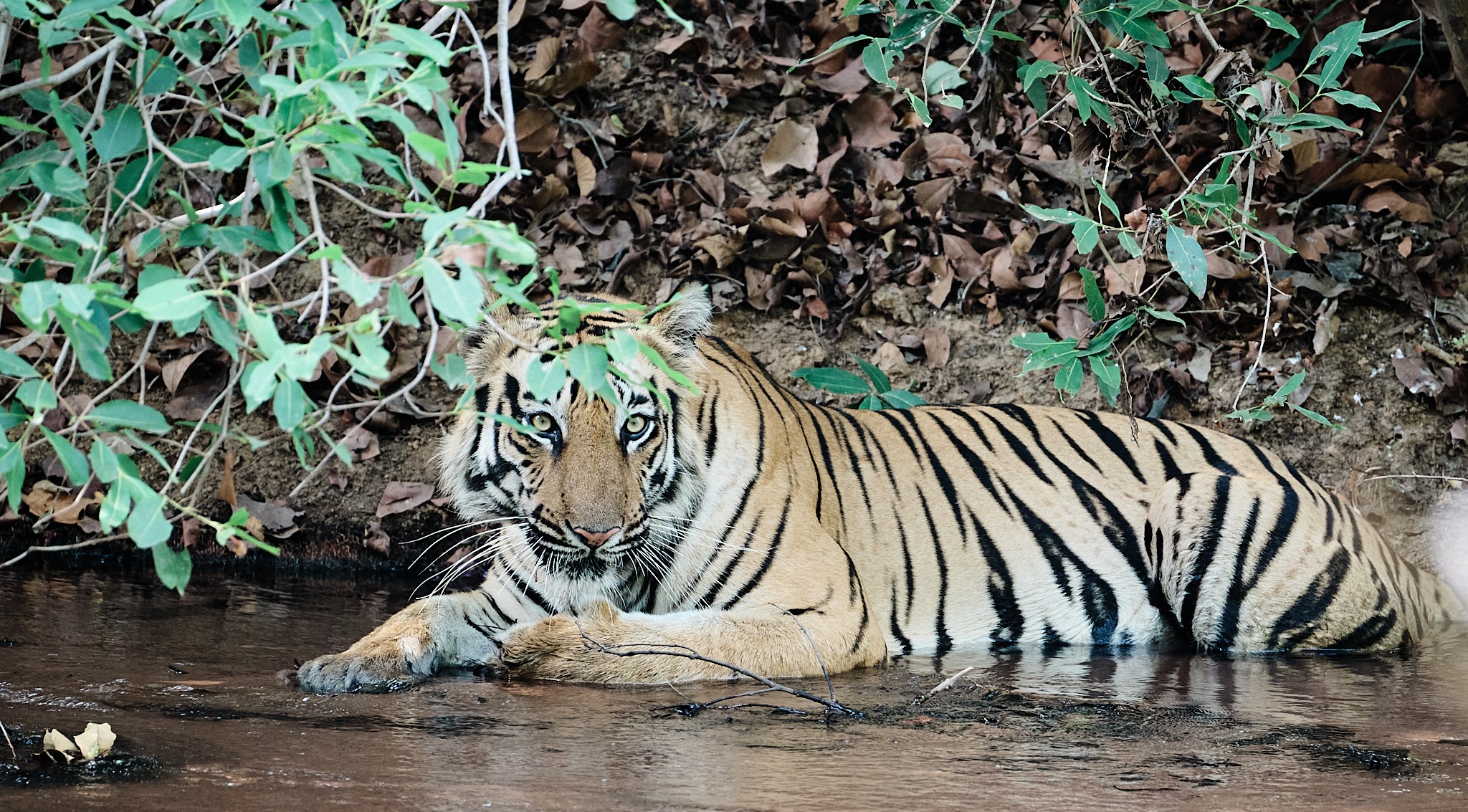
Intact forests act as natural buffers against climate change by:
Loss of forest cover can lead to reduced river flows and seasonal water shortages, affecting both the wildlife and human communities.
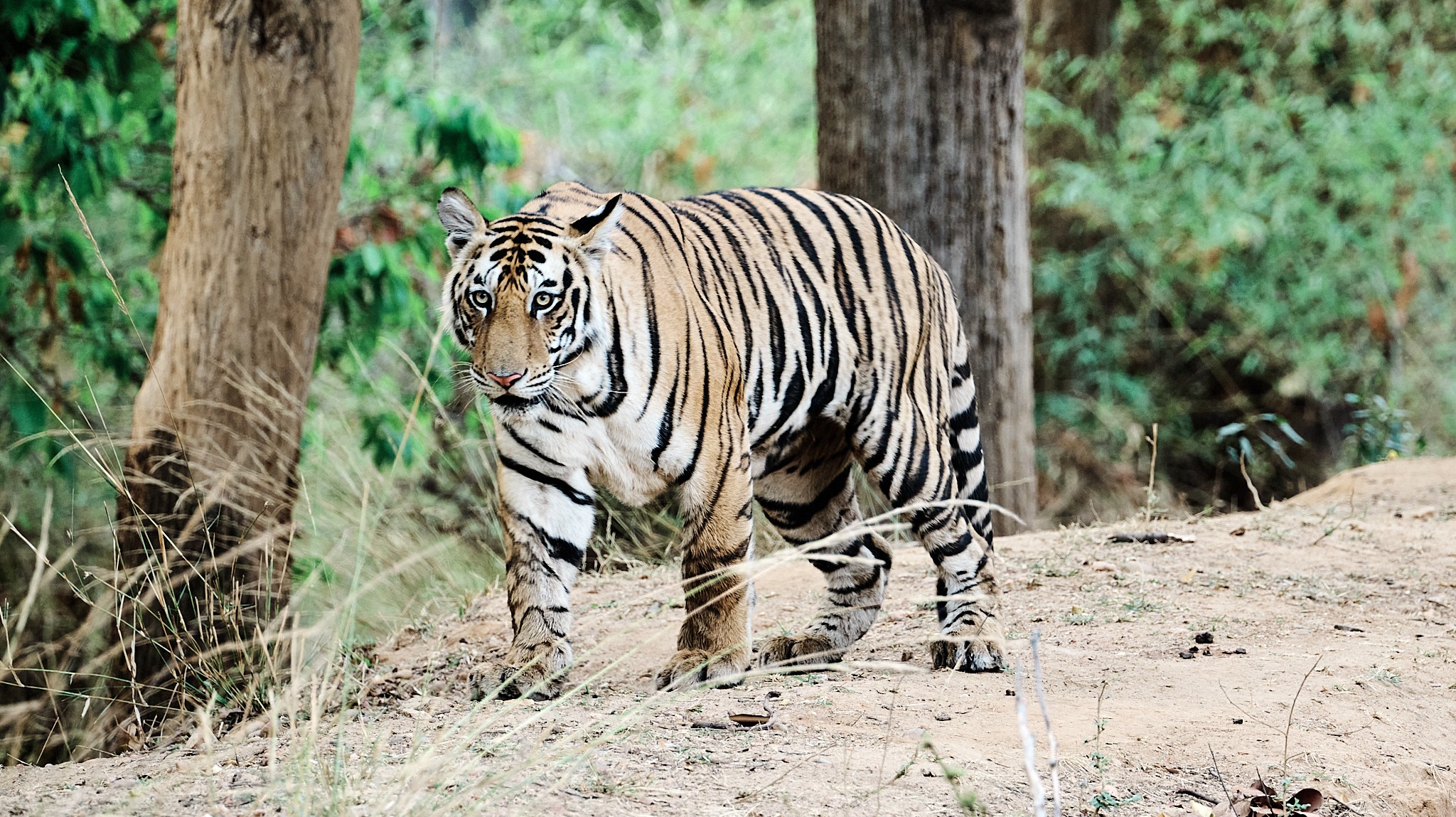
Bandhavgarh’s and indeed India’s forests face increasing pressure from:
These activities fragment tiger habitats, isolating populations and reducing genetic diversity, which increases the risk of local extinction of not just wild tigers but other rare species like pangolins, wild elephants, leopards, Gaur (Indian bison), etc.
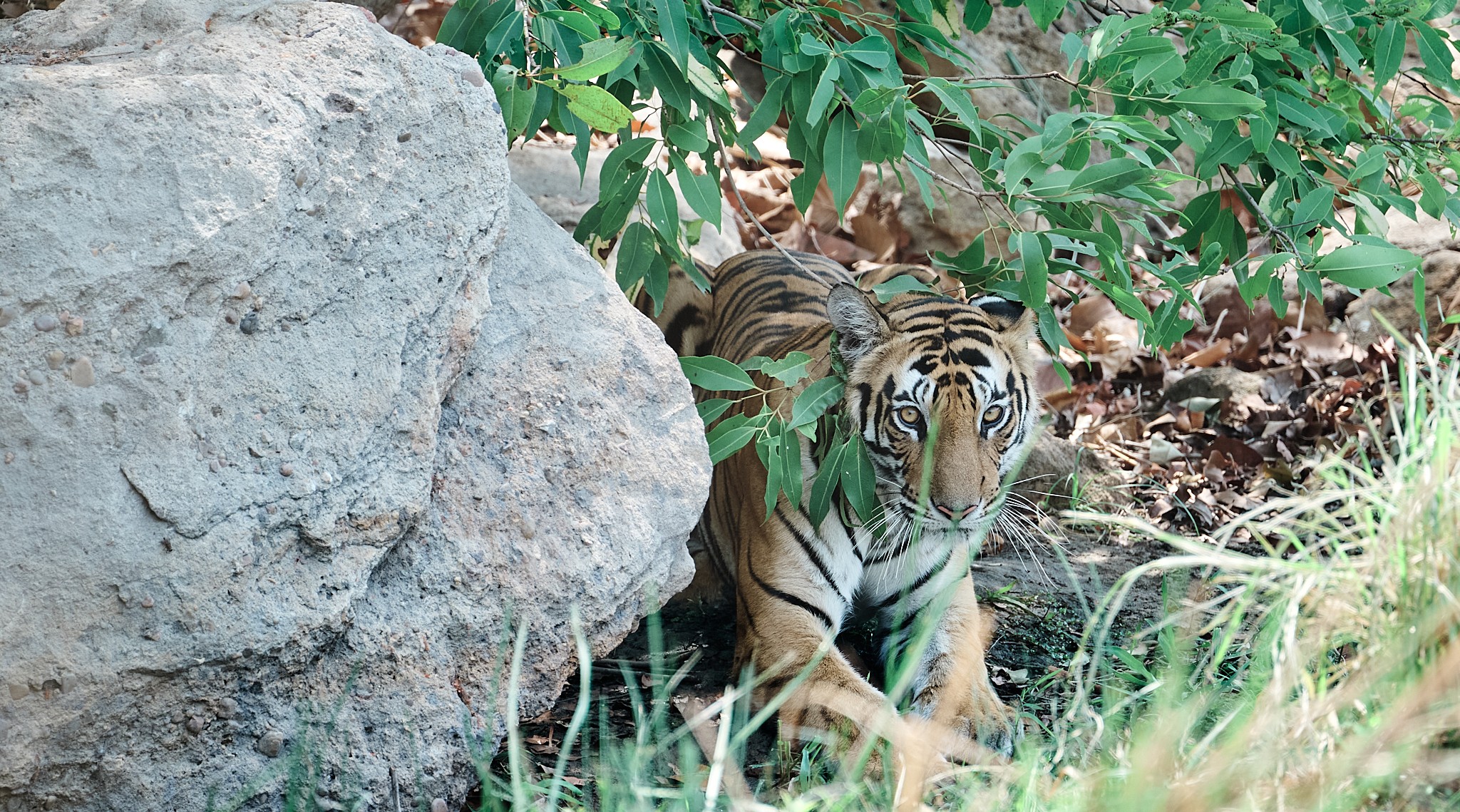
What Are Tiger Corridors? Tiger corridors are stretches of forested land that connect isolated tiger habitats. Our new forest rehabilitation project at Sarmania will create a new Tiger Corridor to enable safe movement of wild tigers and their prey between two areas of Bandhavgarh forest, which have become separated by years of deforestation. They:
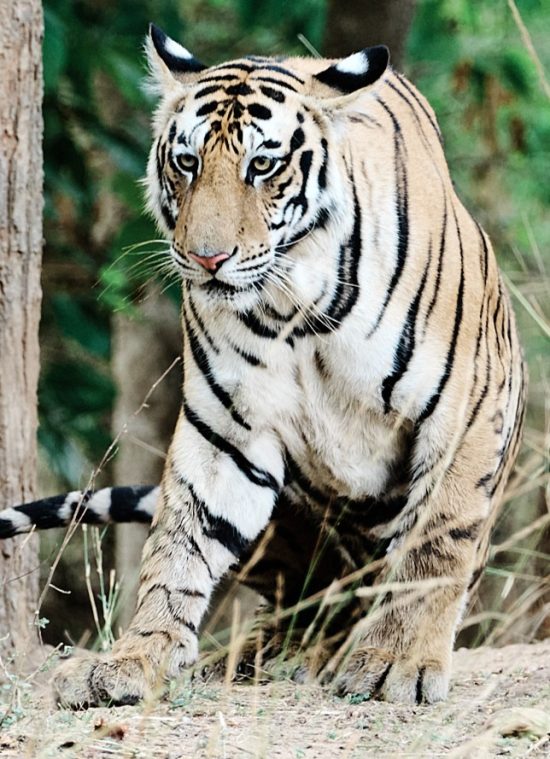
India’s Tiger forests have been lost/are declining at an alarming rate over the last 10 years despite the increase in wild tiger numbers. These forests are vital for the survival of tigers, leopards, elephants, sloth bear, dhole, gaur & critically endangered pangolin. Around 5.68 million people depend on the Bandhavgarh Ecosystem for crucial ecological services. Without increased forest habitat, human-wildlife conflict will increase as wild tigers disperse in search of food and territory.
Replanting damaged forests restores lost habitat, and engages local people in protecting the ecosystem in the future. We will set up organic tree nurseries and forestry centres near degraded forest areas, and provide reforestation training for communities. This project focuses on rehabilitating degraded land within the Bandhavgarh National Park core and buffer forests by planting hundreds of thousands of tree seedlings.
With fewer than 5,500 left in the wild tigers are endangered and could become extinct if we don’t act now to save them. Their habitat is being lost at an alarming rate. As well as restoring damaged land, this project will bring environmental awareness, education and training to local indigenous communities, who will then become the future guardians of the forests.
Our ultimate goal is to prevent the extinction of wild tigers. It is vital that we eliminate wild tiger deaths due to poaching and retaliatory poisoning to ensure that wild tigers are around for future generations.